
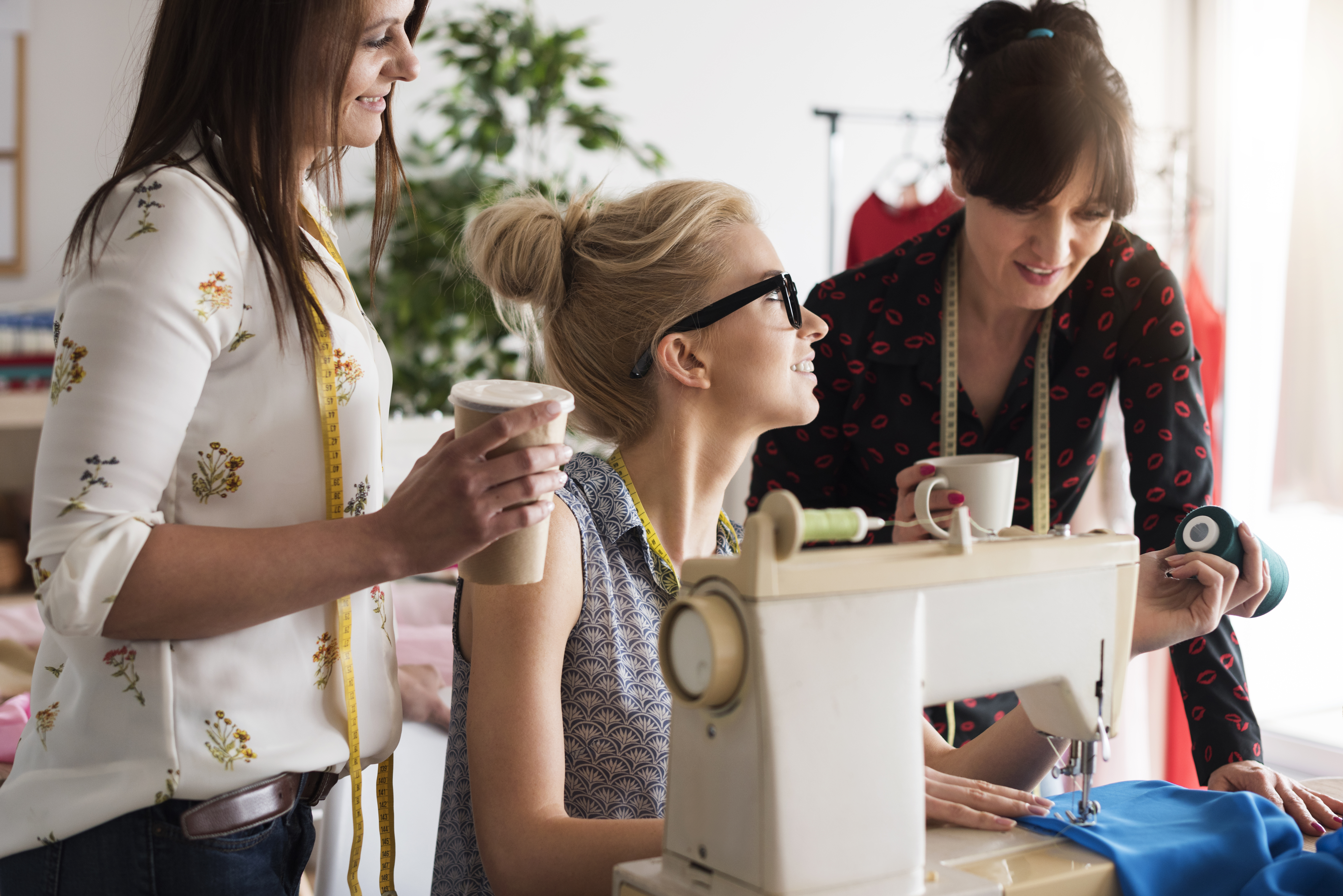
A team that’s here to support you
From humble beginnings and a small team, the company has now grown to employ over 30 people, dedicated to selecting, packing, shipping and delivering the world’s best-loved sewing machines to customers far and wide.
We also work with a team of expert educators who help beginners through to experienced sewists develop their skills and use their SINGER® machines to their full potential.
However, bringing quality sewing machines to Australian and NZ sewists hasn’t been without its challenges.
Fire and heartache
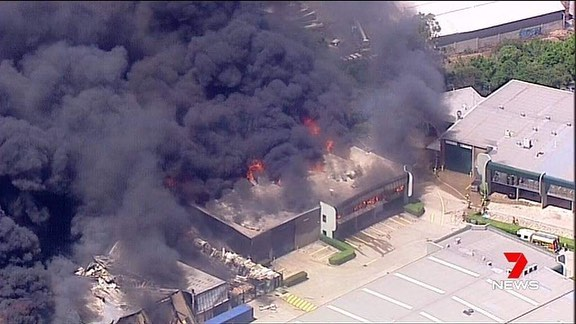
In 2018, just weeks before Christmas, a devastating fire tore through the Blessington head office in Sydney, burning it to the ground and destroying not only millions of dollars worth of stock but also, tragically, over 170 years of history.
After this heavy blow, the Blessington team banded together, continuing to support each other and our customers through an extended period of piecing the business back together.
Finally, in late 2020 the new building in Seven Hills was completed. We moved our team back in, stocked the shelves with a huge range of sewing machines and appliances, and set our focus firmly on the future.

Rebuilding and looking ahead
Despite our original mission statement being lost in the blaze, our determination to provide the highest quality customer service delivered with a sense of warmth, friendliness, individual pride and company spirit has not wavered.
And when you’ve got the right tools and the right support, you can simply enjoy your sewing journey and let the creativity flow!
Tag us on social media #sewitwithsinger and share your latest project with the SINGER® community!
Community and giving
Blessington has strong community ties and has long been associated with the McGrath Foundation. We have raised over $400,000 since early 2017 and continue to help fund McGrath Breast Care Nurses.
We continue to support our vital nurses to this day, and every purchase of a SINGER® product goes towards supporting the McGrath Foundation.